


目录
In aviation, protecting valuable aircraft is absolutely essential. Planes are constantly exposed to environmental hazards and security risks, making reliable protection solutions a fundamental requirement. Whether you operate commercial airlines, own private aircraft, or oversee military aviation assets, identifying practical and affordable protection methods is critically important. This comprehensive guide examines various protective solutions, with special emphasis on aircraft shelters and their multiple advantages.
The aviation sector requires rigorous safety standards and maintenance protocols because aircraft represent substantial capital investments. Implementing proper protective measures helps maintain aircraft airworthiness for extended periods, minimizes repair costs, and prevents operational disruptions. Selecting appropriate protection goes beyond surface-level preservation – it directly enhances overall operational performance and flight safety.
Aircraft represent major financial commitments, and their protection serves multiple vital purposes: preserving asset value, guaranteeing flight safety, ensuring mission readiness, and maximizing service life. Adverse weather conditions including heavy precipitation, freezing temperatures, intense heat, and prolonged UV exposure can cause serious structural deterioration, metal corrosion, and component failures. Equally concerning are various security risks that threaten both aircraft integrity and personnel safety.
Beyond natural elements, protection systems must address risks like unauthorized entry and deliberate vandalism. Comprehensive security measures provide defense against both environmental and human-induced threats. An often-overlooked benefit is potential insurance cost reductions, as most insurers offer favorable terms for properly protected aircraft. These combined factors clearly demonstrate why investing in high-quality aircraft protection delivers substantial, long-term benefits.
Types of Aircraft Shelters
Hardened Aircraft Shelter
Hardened protective aircraft shelters are ultra-strong structures built to survive extreme weather and military attacks. Made primarily from reinforced concrete, they provide the highest level of protection available. Military forces worldwide use these shelters to protect valuable aircraft from bombs, missiles, and other combat threats.
主要优势:
• Maximum security against attacks
• Complete protection from natural disasters
• Climate-controlled space for maintenance
These shelters are particularly valuable in combat zones or areas with high security risks. They can be upgraded with modern security features like 24/7 surveillance and intrusion alarms. While more expensive initially, their ability to prevent damage saves money over time, making them essential for military use.
Aircraft Shelter
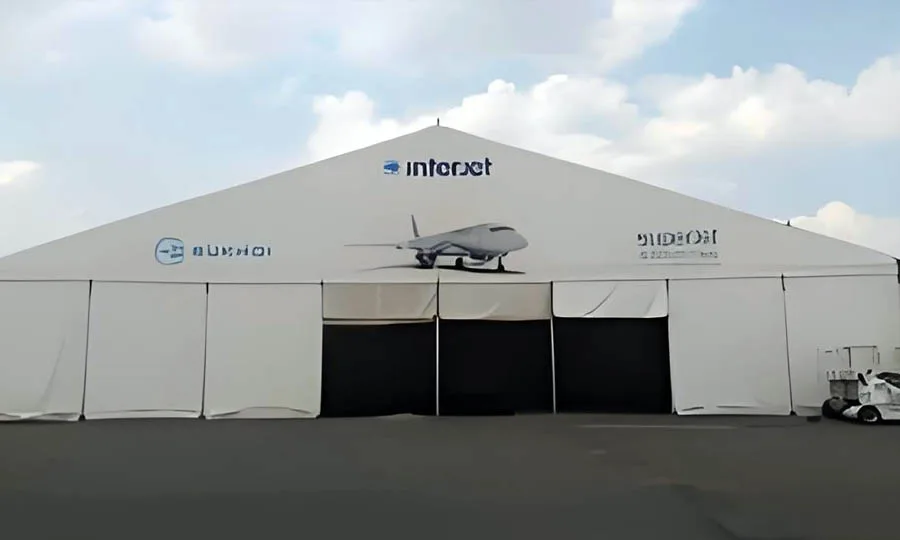
Standard hardened aircraft shelters offer practical protection for both military and civilian use. Built with steel or aluminum frames, they provide substantial protection at lower costs than hardened shelters.
主要优势:
• More affordable than hardened shelters
• Faster installation and removal
• Effective weather protection
Perfect for operations needing adaptable solutions, their modular design allows for size adjustments or relocation. Special coatings on materials prevent rust and deterioration, ensuring long-term protection against rain, snow, and sun damage.
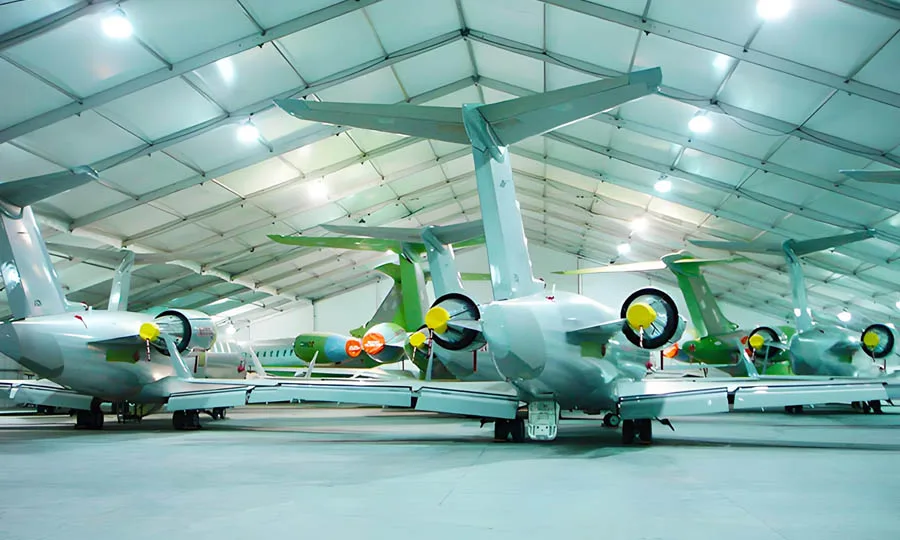
Temporary Aircraft Shelter
When permanent structures aren’t needed, temporary shelters provide ideal flexible solutions. They’re perfect for remote areas or short-term missions where quick setup is essenti
主要优势:
• Lightweight and easy to transport
• Perfect for temporary operations
• Can be relocated multiple times
These shelters shine in emergency situations like disaster relief, where speed is critical. Their reusable design makes them both economical and environmentally friendly for changing operational needs.
Considerations for Choosing an Aircraft Shelter
When selecting an protective aircraft shelter, careful evaluation of several factors will ensure optimal protection for your aviation assets.
Size and Capacity Requirements
The shelter must properly fit your aircraft’s dimensions – consider both wingspan and height. Allow sufficient interior space for maintenance work without needing to move the aircraft. For operators with multiple aircraft, choosing a slightly larger shelter now may accommodate fleet growth later, proving more economical over time.
Environmental Adaptations
Analyze your local climate conditions thoroughly. Areas experiencing extreme weather (hurricanes, heavy snow) demand stronger shelters. Wind-prone locations benefit from aerodynamic designs that reduce wind load. Humid environments require shelters with enhanced ventilation systems to prevent corrosion-causing moisture accumulation.
Budget Planning
While hardened shelters provide maximum protection, they carry higher costs. Evaluate your actual security needs against available budget. Remember to factor in long-term maintenance expenses – sometimes paying more initially for a durable shelter reduces lifetime costs through lower upkeep and extended service years.
Installation and Maintenance Factors
Consider setup complexity – some shelters need professional installation. Choose designs matching your team’s technical capabilities to minimize installation delays. Also evaluate long-term maintenance needs; shelters requiring less frequent upkeep typically offer better value over their lifespan.
Advantages of Using Aircraft Shelters
Aircraft shelters provide essential protection that safeguards your aviation assets while improving operational performance. These structures offer multiple advantages that make them a smart investment for any aircraft owner or operator.
Enhanced Security Protection
- Creates a fully enclosed, secure space for aircraft storage
- Effectively prevents unauthorized access and potential vandalism
- Particularly valuable for protecting high-value military and private jets
- Can be equipped with advanced security systems (surveillance cameras, motion sensors, alarm systems)
- Provides complete privacy for sensitive aircraft operations
Superior Weather Protection
- Shields aircraft from all types of severe weather conditions
- Protects against hail damage, heavy rain, and strong winds
- Blocks harmful UV radiation that causes paint fading and material degradation
- Maintains aircraft structural integrity by preventing weather-related corrosion
- Reduces the frequency of cosmetic maintenance like repainting
Extended Aircraft Service Life
- Significantly reduces exposure to damaging environmental elements
- Lowers long-term maintenance and repair costs substantially
- Helps preserve the aircraft’s resale or trade-in value
- Delays the need for expensive aircraft replacement
- Provides better return on investment through extended operational life
Improved Operational Efficiency
- Enables maintenance work in all weather conditions
- Minimizes aircraft downtime for repairs and servicing
- Creates ideal working conditions for precise mechanical work
- Ensures faster turnaround between flights
- Enhances overall aircraft reliability and performance
Cost-Effective Solutions for Different Needs
Military Applications
Hardened aircraft shelters deliver essential protection for military aircraft against both environmental hazards and security threats. Though requiring greater initial investment, their exceptional durability and advanced protective features prove cost-efficient for long-term military use.
These specialized shelters incorporate cutting-edge engineering to withstand extreme combat conditions and potential attacks. Their reinforced structures frequently serve dual purposes as maintenance facilities and equipment storage areas, maximizing space utilization at military installations. The peace of mind they provide in high-risk deployment zones makes them indispensable for modern armed forces.
Commercial & Private Aviation Solutions
Standard protective shelters offer commercial operators and private owners optimal balance between affordability and reliable protection. Their adaptable designs accommodate specific operational requirements while staying within budget parameters.
Commercial aviation businesses can customize shelters with company branding, transforming them into effective promotional displays. Private aircraft owners appreciate the design flexibility that allows shelters to match their aircraft’s aesthetics while meeting all functional needs.
Temporary Protection Options
Portable shelter systems provide ideal solutions for transient operations or emergency scenarios. Their rapid deployment capability and economical pricing make them perfect for:
- Temporary forward operating bases
- Remote location operations
- Disaster response missions
- Special event aviation support
The quick setup and teardown features enable immediate response to changing operational demands. Whether supporting military exercises or commercial aviation events, these temporary structures ensure aircraft remain protected without compromising mobility requirements.
结论
In conclusion, selecting the right aircraft shelter depends on your specific needs, budget, and the level of protection required. Whether you choose a hardened, protective, or temporary shelter, ensuring your aircraft is adequately protected will lead to long-term savings and operational efficiency. By investing in the right shelter, you can safeguard your valuable assets and ensure they remain in optimal condition for years to come.
Remember, the protection of your aircraft is not just an investment in your equipment but also in safety and operational success. Make informed decisions and choose the most cost-effective solutions for your aircraft protection needs. As the aviation industry continues to evolve, staying ahead with the right protective measures will ensure your operations remain competitive and resilient in the face of future challenges.
要全面了解飞机帐篷,请阅读以下文章: <Aircraft Tents: The Ultimate Solution for Military & Civilian Aviation Protection>
 ZH
ZH  EN
EN