


Table of Contents
The Allure of Glass Tent Wedding
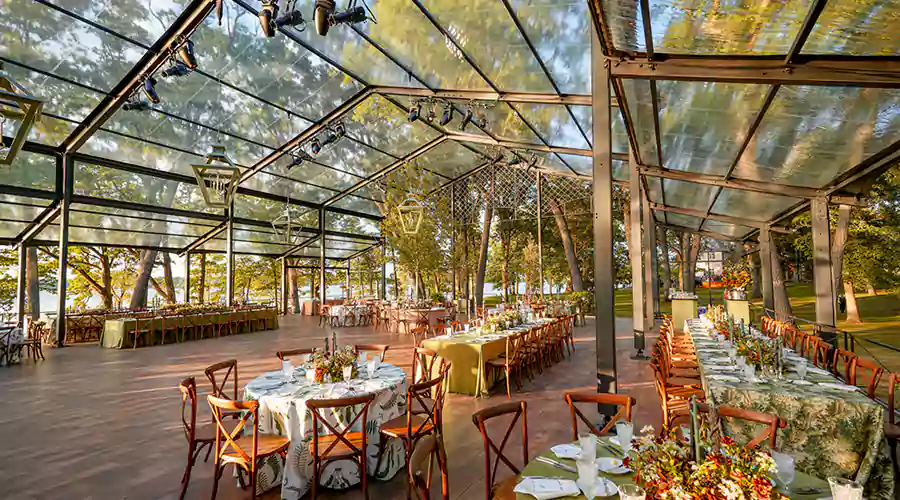
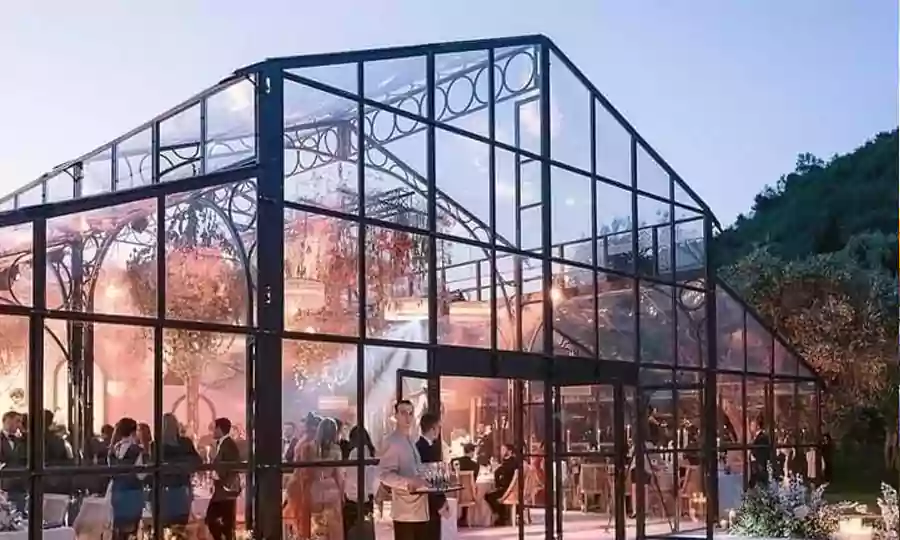
For event planners seeking to create unforgettable wedding experiences, glass tent weddings represent the pinnacle of romantic outdoor celebrations. These transparent structures—also known as atrium tents—blur the boundaries between indoor comfort and outdoor beauty, offering couples the best of both worlds. Unlike traditional venues, a glass wedding tent evolves with the outdoor lighting—filtering soft morning light during bridal preparations, bathing ceremonies in golden afternoon rays, and illuminating evening dances under a canopy of stars.
The magic of glass tents for weddings lies in their ability to create a truly immersive experience. As guests enter the space, they’re greeted by panoramic views of the surrounding landscape while being perfectly sheltered from unpredictable weather. This unique combination makes glass tent weddings particularly appealing for high-end clients who want a customized venue that reflects their personal style.
Outstanding Advantages of Glass Wedding Tents
High-end Luxury with Distinctive Style
The combination of minimalist black frames and high-transparency panels creates a contemporary yet elegant visual style, significantly enhancing the overall texture and sophistication of the wedding, offering a luxury experience beyond traditional venues.
Immersive Experience in Nature
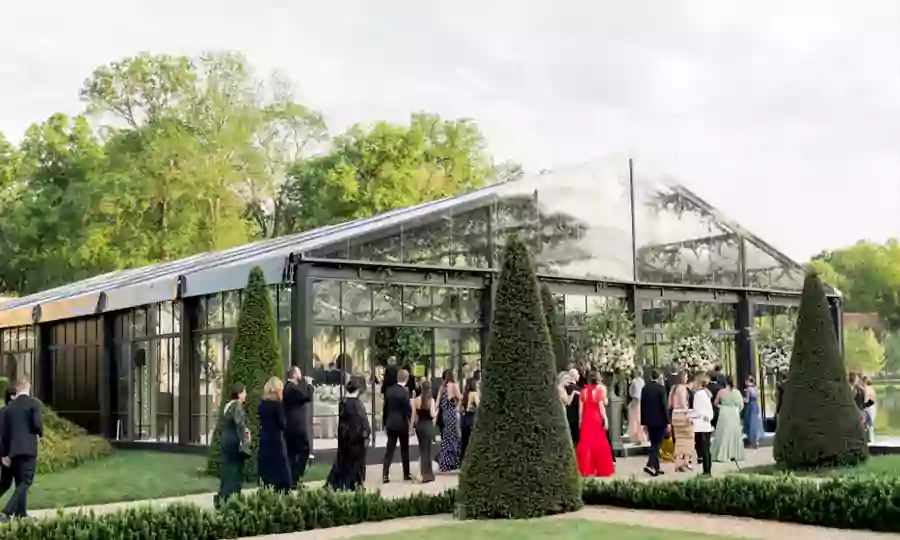
Seamless integration of indoor and outdoor spaces minimizes the visual impact of the structure, allowing the surrounding natural landscape to serve as a breathtaking backdrop, enhancing the sense of immersion throughout the ceremony and celebration.
Exceptional Durability and Weather Resistance
Constructed with high-quality aluminum or steel, the tent offers reliable protection against winds of levels 8–12, making it suitable for diverse outdoor settings and unpredictable weather conditions.The PVC enclosure material is manufactured with flame-retardant properties and complies with the B1 fire resistance standard.
Extensive Customization Options
With a wide range of wall materials (PVC, glass, acrylic), decorative patterns, and lighting systems available, the tent can be fully tailored to match any wedding theme, style, or scale.
Enhanced Business Value
The sophisticated and upscale appearance provides a competitive edge in the market, attracting premium clients and enabling higher rental returns, thereby maximizing profitability for event businesses.
Limitations of Glass Wedding Tents
Higher Cost
The specialized structure and materials result in significantly higher manufacturing costs compared to conventional tents. Complex installation processes further increase labor and time requirements. Long-term setups may also require site hardening and embedded parts, adding extra expenses.
Greenhouse Effect
Fully transparent materials (e.g., glass, acrylic, or PVC) struggle to block heat radiation, leading to indoor temperatures 5-7°C higher than outdoors in summer. This necessitates additional cooling equipment and energy consumption. While opening the sides at night can improve comfort, proactive ventilation planning is essential.
High Maintenance
Transparent materials easily show stains, requiring frequent cleaning. Transparent PVC or acrylic panels cannot include anti-aging agents without compromising clarity, leading to a shorter lifespan (approximately 2 years) under prolonged sun exposure and necessitating periodic replacement.
Permits and Site Constraints
Some locations require special permits and may impose restrictions on noise or operating hours. Installation demands a flat and stable foundation; uneven or muddy terrain can significantly complicate setup.
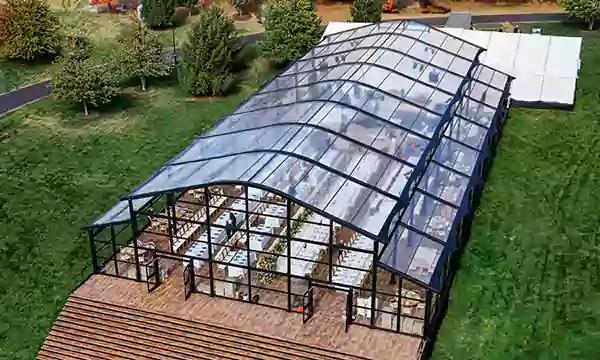
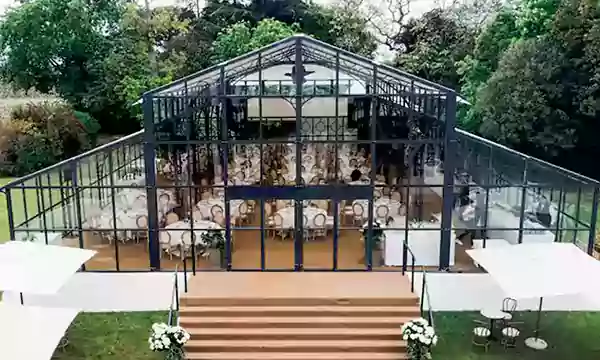
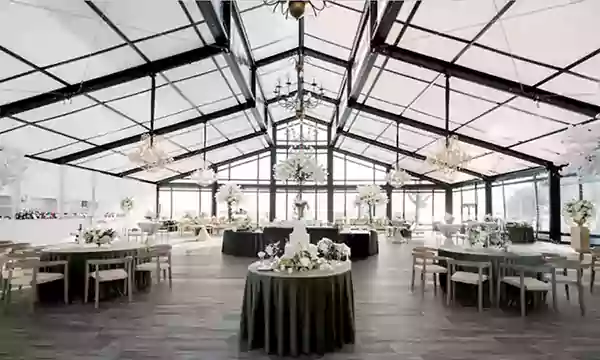
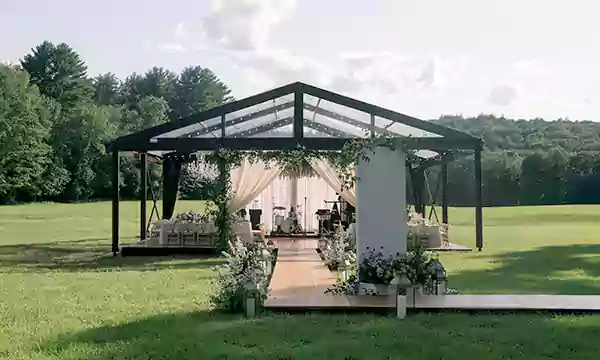
Four Exceptional Glass Tent Wedding Options
Key Considerations for Investing in Glass Wedding Tents
As a high-end rental asset, glass wedding tents require a significant initial investment (approximately $40,000-$20,000) but can elevate client quality, increase rental fees by 20-50%, and enhance long-term competitiveness. Investors should evaluate the following factors:
- Budget & Funding: Align high initial costs with long-term returns, accounting for maintenance and potential upgrades;
- Target Market: Suited for regions with higher wedding budgets and strong demand for premium experiences;
- Operational Capability: Requires professional teams for regular cleaning, transparent panel replacement (~2 years), and complex site adaptations;
- Local Regulations & Site Constraints: Research permits, noise restrictions, and terrain stability in advance;
- Unique Value Proposition: Despite higher costs, it delivers unforgettable wedding experiences, driving word-of-mouth and brand premium.
Key Design Elements for Glass Wedding Tents
Harnessing Natural Light
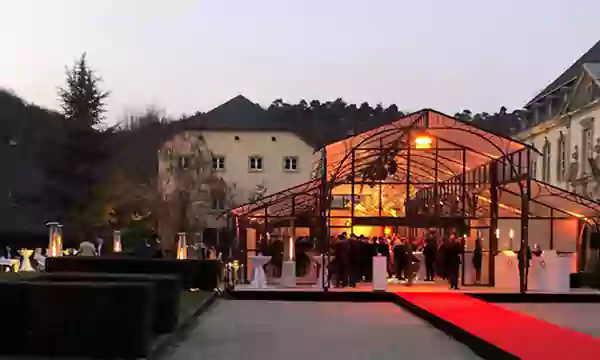
Utilize the interaction between transparent structures and natural light. Schedule ceremonies during golden hours (e.g., blue hour at dusk) to create magical backlit effects. Hanging decorations can add “floating” visual layers, enhancing spatial depth.
All-Season Climate Control
Equip heating systems for winter weddings and integrate ventilation/cooling for summer events. Incorporate shade sails, UV-filtering glass, or drapes to balance transparency with comfort.
Layout & Visual Guidance
Combine tall floral arrangements with low candles, use contrasting table linens, and incorporate reflective elements to direct guest attention to the ceremony rather than the tent structure, emphasizing the wedding narrative.
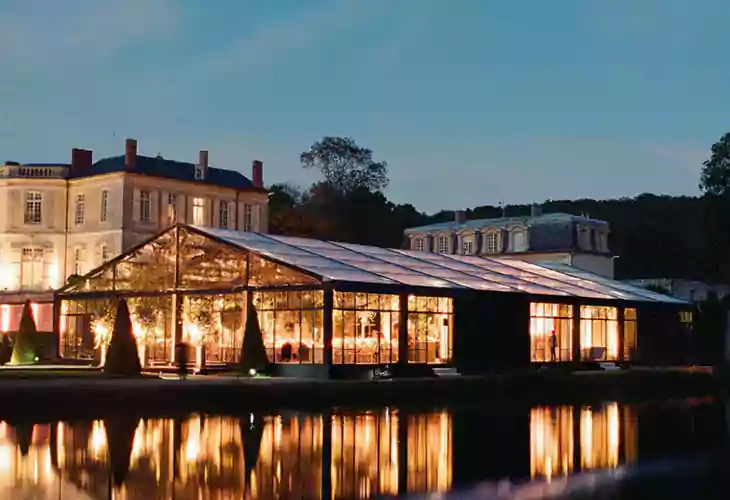
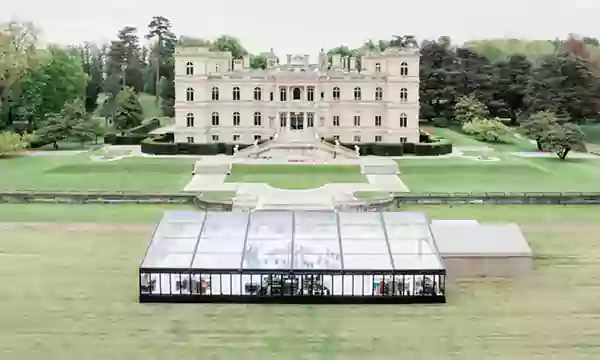
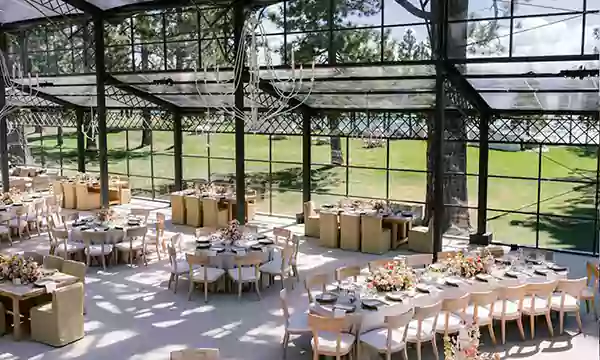
Gallery
More comprehensive reading : < Atrium Tents >
FAQ
The rental cost for a glass wedding tent typically ranges from $5,000 to $20,000+ for a standard event duration (e.g., 3-5 days), depending on size, location, and additional services.
For a seated reception with 100 guests, a 30’x60′ (9m x 18m) tent is recommended. This provides space for dining, dance floor, and essential amenities without feeling crowded.
Typically 15 round tables for 150 guests, assuming standard 60-inch (1.5m) tables seating 10 people each. Always include 1-2 extra tables for flexibility.
 EN
EN  ZH
ZH